
If you bought a Denon Home 150, 250, or 350 a few years back, you already know why you chose Denon — that speaker has probably outlasted two Bluetooth speakers, a router, and possibly a relationship. It still sounds great. But Denon has just replaced the entire lineup with the Denon Home 200, 400, and 600, and the gap between old and new is bigger than a typical model refresh. Here’s exactly what’s different, and whether it’s worth the move.
The Short Version
The single biggest change is Dolby Atmos Music support, available across all three new models. None of the original 150, 250, or 350 could do this — they were built for stereo sound only, full stop. The new range also brings more amplifier channels, reworked driver arrays, and in the case of the entry-level model, true stereo sound from a single unit for the first time. Everything still runs on HEOS, so if you’re already living in the Denon ecosystem, nothing about how you use it day to day needs to change.
Denon Home 150 → Denon Home 200: From Mono to True Stereo
The original Home 150 was a mono speaker — a single 1-inch tweeter and a 3.5-inch woofer, running off two built-in amplifiers. It did a genuinely good job for its size, but “mono” was always the compromise you made for the compact footprint.
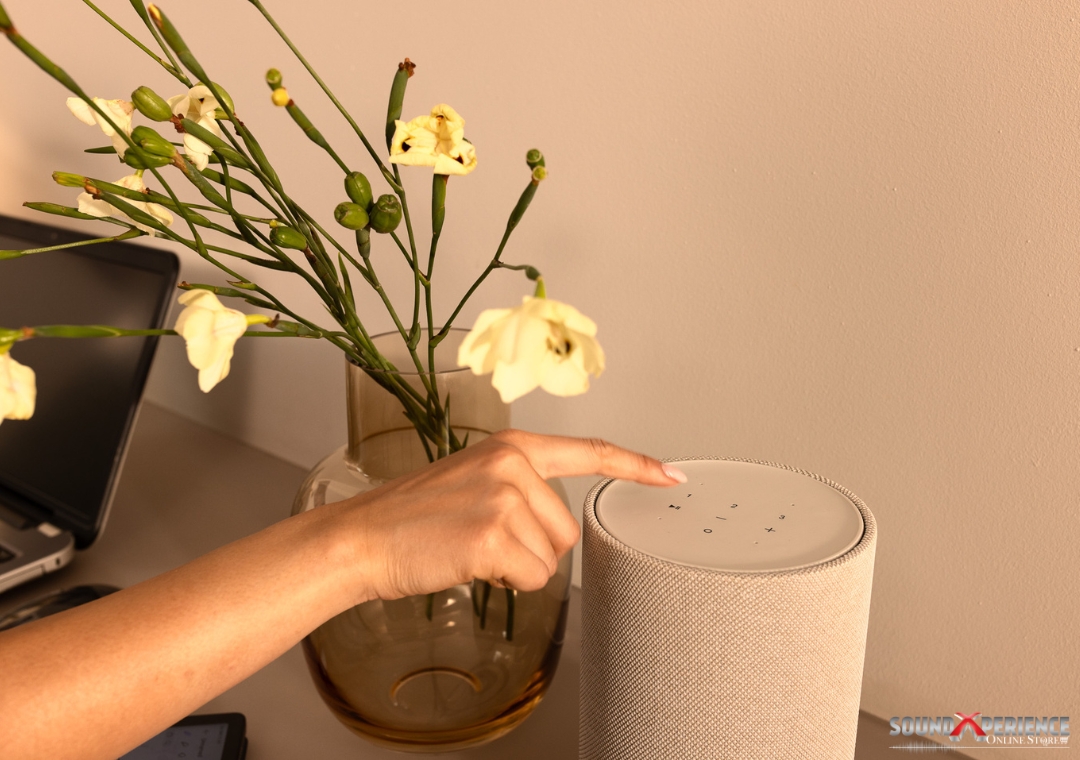
The Denon Home 200 removes that compromise entirely. It houses two tweeters and a dedicated woofer across three built-in amplifiers producing 65W, which means it delivers true stereo separation from a single speaker — something the 150 was never able to do on its own. Layer on Dolby Atmos Virtualization, and even a single Home 200 throws a noticeably wider, more three-dimensional soundstage than the 150 ever could. If your 150 has been living in a kitchen or office, this is a straightforward, meaningful upgrade rather than a marginal one.
Denon Home 250 → Denon Home 400: More Power, Height Channels Added
The Home 250 was a solid mid-tier performer — two tweeters, two 4-inch woofers, and a passive radiator for extra low-end, run by four amplifiers. It handled a living room without much strain.
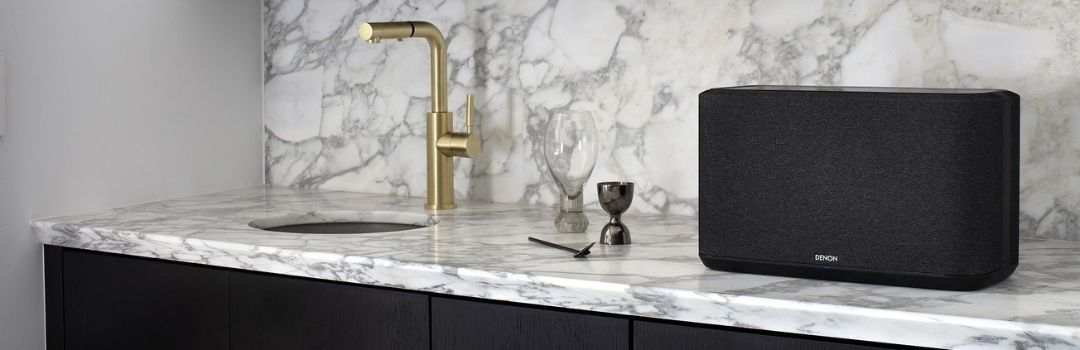
The Denon Home 400 replaces that four-driver setup with a five-driver array: two tweeters, two dedicated up-firing drivers, and two midrange drivers, powered by six amplifiers totalling 90W. Those up-firing drivers are the key difference — they’re what physically enable Dolby Atmos Music, bouncing audio off the ceiling to add a genuine sense of height to a mix, rather than just left-to-right width. If you’ve been happy with your 250 for standard stereo listening but have started noticing how flat music can sound compared to newer speakers you’ve heard elsewhere, this is the model closing that gap.
Denon Home 350 → Denon Home 600: The Flagship Gets a Real Upgrade
The Home 350 was the original range-topper — six drivers (two tweeters, two midrange, two 6.5-inch woofers) and six amplifiers, with one woofer firing forward and one firing backward for extra low-end presence.
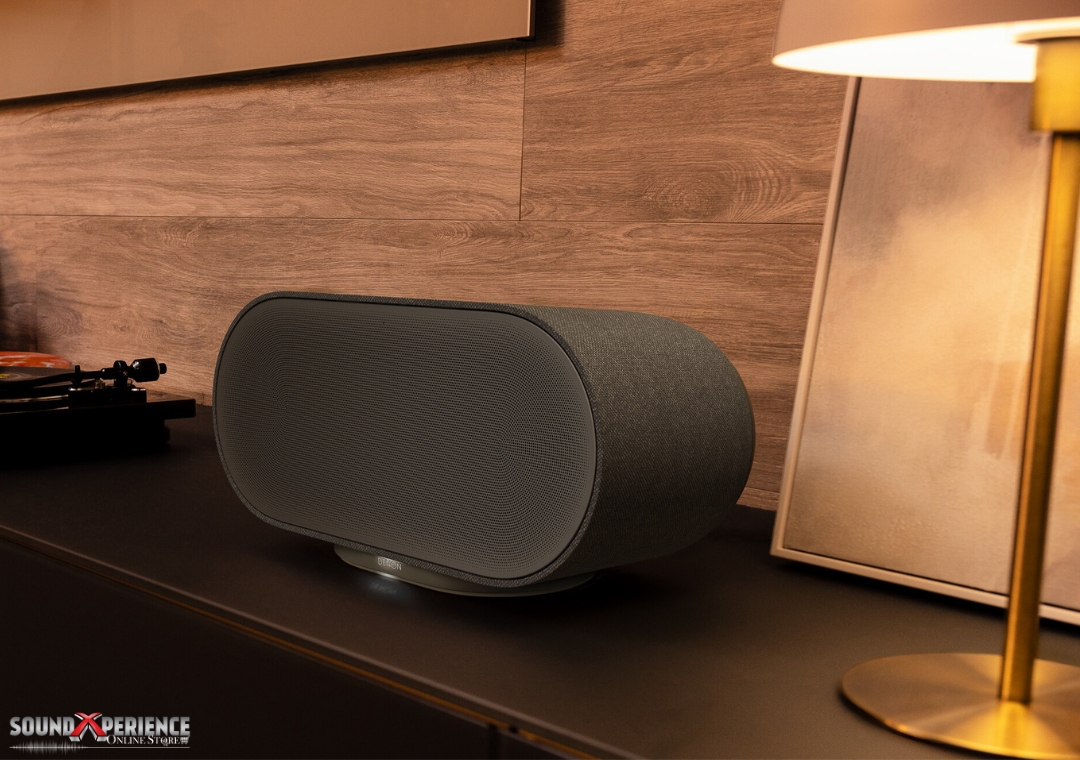
The Denon Home 600 goes further in almost every direction: six drivers including dedicated up-firing units for height, larger 6.5-inch woofers, and eight amplifiers delivering 170W of total power — noticeably more headroom than the 350 offered. For anyone who bought a 350 specifically because they wanted the most serious single-speaker option Denon made, the 600 is the direct, and clearly superior, successor.
What Hasn’t Changed (And Why That Matters)
Upgrading doesn’t mean starting over. A few things stay exactly the same:
- HEOS multi-room control. The app, the setup process, and the ability to group speakers across rooms all carry over unchanged. A new Home 600 will happily join a HEOS group alongside an older 150 or 250 you’re not ready to retire yet.
- Stereo pairing. Just like before, two matching units in the new range can be paired as a left/right stereo pair.
- Soundbar compatibility. The new speakers can still be used as wireless rear surrounds with compatible Denon soundbars, the same way the originals could.
- Sound Master tuning. Every speaker, old and new, is tuned by the same team in Japan responsible for Denon’s AV receivers and amplifiers — that house sound hasn’t been diluted, just extended.
This means an upgrade doesn’t have to be all-or-nothing. Plenty of people are replacing just their main living room speaker with a 400 or 600 and keeping an older 150 running quietly in a bedroom — HEOS doesn’t care what generation each speaker is.
Is It Worth Upgrading?
If Dolby Atmos Music matters to you — and streaming services now carry a huge amount of Atmos-mixed catalogue across pop, jazz, and film scores — the answer is straightforward: none of the original 150, 250, or 350 can do this, and no software update will change that. It’s a hardware capability built around the new up-firing drivers.
If you’re mainly running stereo playlists and multi-room background music, the case is less urgent, but the jump in power and driver quality between generations is still noticeable, particularly moving from the 250 to the 400.
The new Denon Home 200, 400, and 600 are in stock now at soundxshop.co.za/denon-home. Visit any of our Sandton, Kempton Park, Vereeniging, or Menlyn branches and our team can talk you through which model actually makes sense for your room — no obligation, just an honest comparison in person.